
If you’ve ever wished you could keep your tomatoes going past the first frost — or start your seedlings in February without a heat lamp running 24/7 — you’re going to love what a Walipini can do. It’s one of the cleverest little growing structures around, and once you understand how it works, you’ll see why folks in cold climates have been quietly building them for decades.
So what is a Walipini?
A Walipini (pronounced wah-lah-PEE-nee) is an underground greenhouse. The word comes from the Aymara language of the Bolivian highlands, where the concept originated, and it roughly translates to “a place of warmth.” Instead of sitting on top of the ground like a traditional greenhouse, a Walipini is dug down into the earth, with a clear, angled roof at ground level letting the sunlight in.
That’s the whole trick — and it’s a brilliant one.
Why on earth (literally) would you bury a greenhouse?
Because the earth is a giant, free thermal battery. A few feet below the surface, the soil temperature stays remarkably steady all year — usually somewhere between 50 and 55°F, regardless of whether it’s 100° outside in July or 10° in January.
By sinking the growing space down into that stable zone, a Walipini gets three big advantages over a regular greenhouse:
- It stays warm in winter. The surrounding earth acts like insulation, so you’re not fighting freezing air on all four sides.
- It stays cool in summer. That same earth keeps the interior from cooking when above-ground greenhouses turn into ovens.
- It costs almost nothing to heat. Sunshine through the roof during the day, earth holding the warmth at night — that’s the whole system.
The key design features
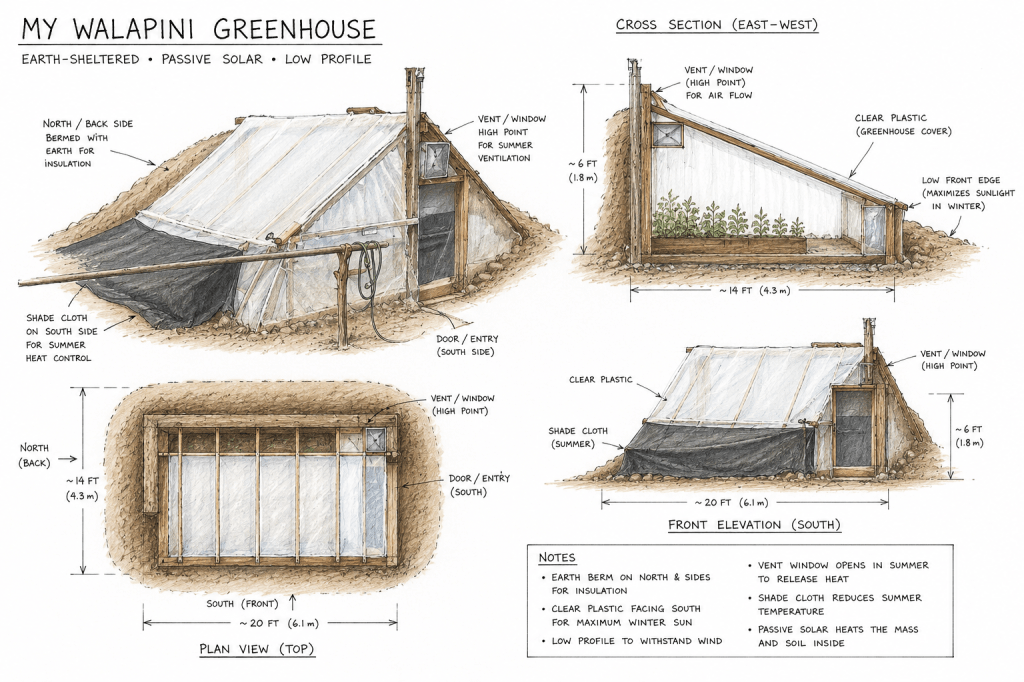
Looking at the sketch above, you can spot the design choices that make a Walipini work:
Earth bermed on the north and sides. That mounded soil insulates the structure and blocks cold winter wind. The north wall is the tallest point — about 6 feet on mine.
Clear plastic facing south. The glazed roof slopes from high in the back down to a low front edge, angled to catch as much low winter sun as possible. The lower the front edge, the more sunlight gets in when you need it most.
A low overall profile. Sitting partly below ground and bermed on three sides, the whole structure barely rises above the landscape. That makes it tough against wind — important here in southern Utah.
A vent window at the high point. Hot air rises, and in summer that vent opens up to release it. Combined with the south-side door, you get good cross-ventilation when you need it.
Shade cloth for summer. When the sun gets too intense, the shade cloth drops over the south-facing glazing to keep the interior from cooking. Off in winter, on in summer — simple.
My Walipini
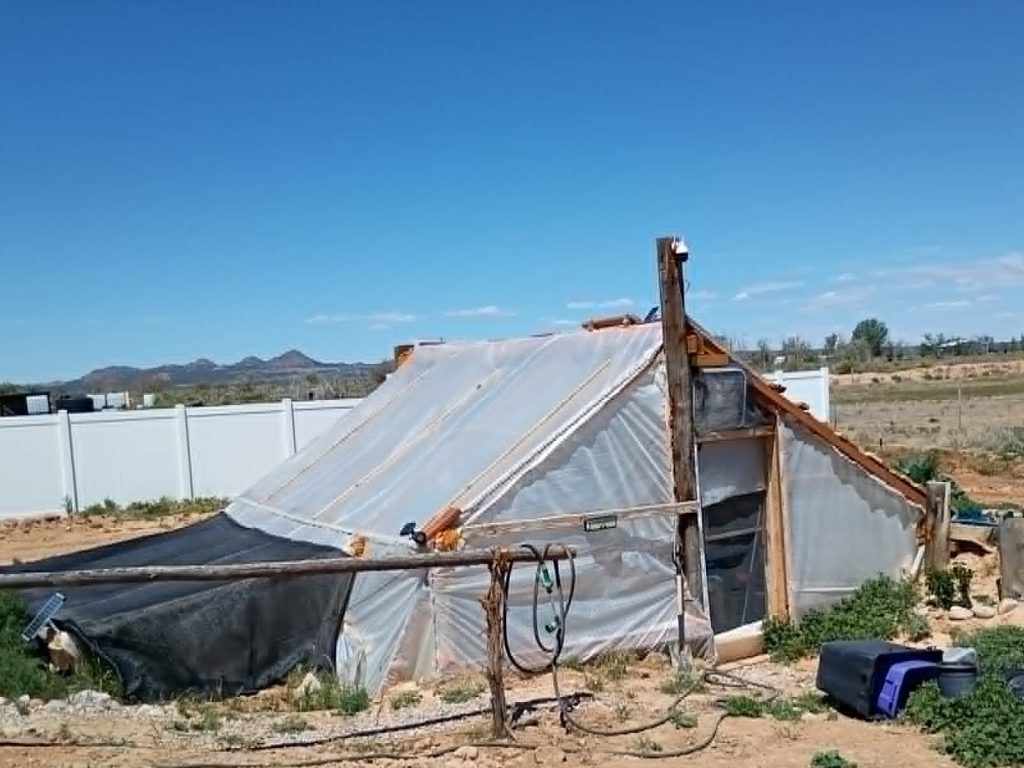
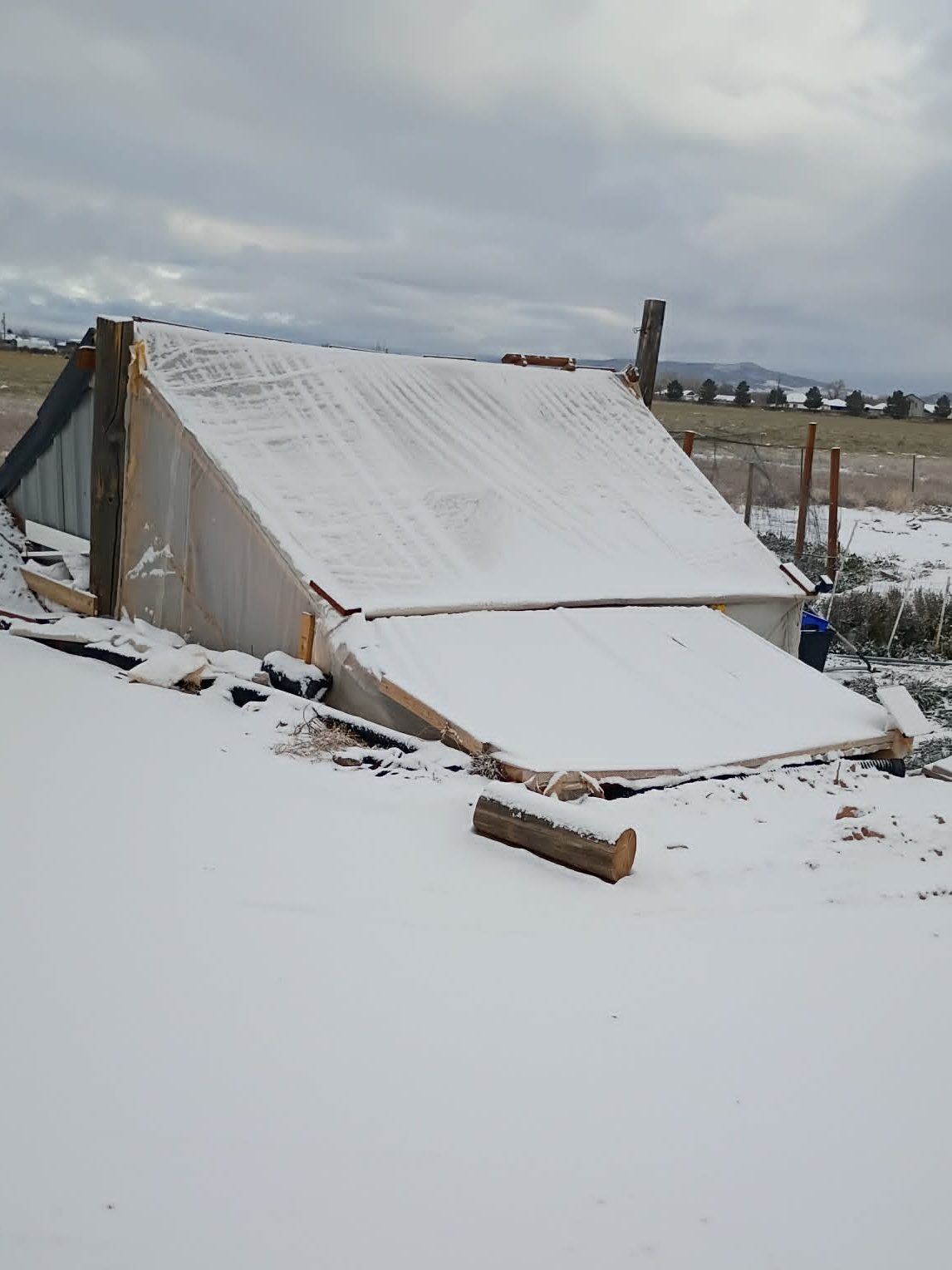
Here’s mine out on the property in southern Utah. You can see almost every feature from the sketch in real life — the south-facing clear plastic catching the sun, the shade cloth pulled partway over the front for summer heat, the low profile tucked into the landscape, and the door on the south end. That little solar panel on the right powers the vent fan up at the high point.
What’s growing inside
This is the fun part. Even out here on the high desert, the Walipini keeps things going all season long.
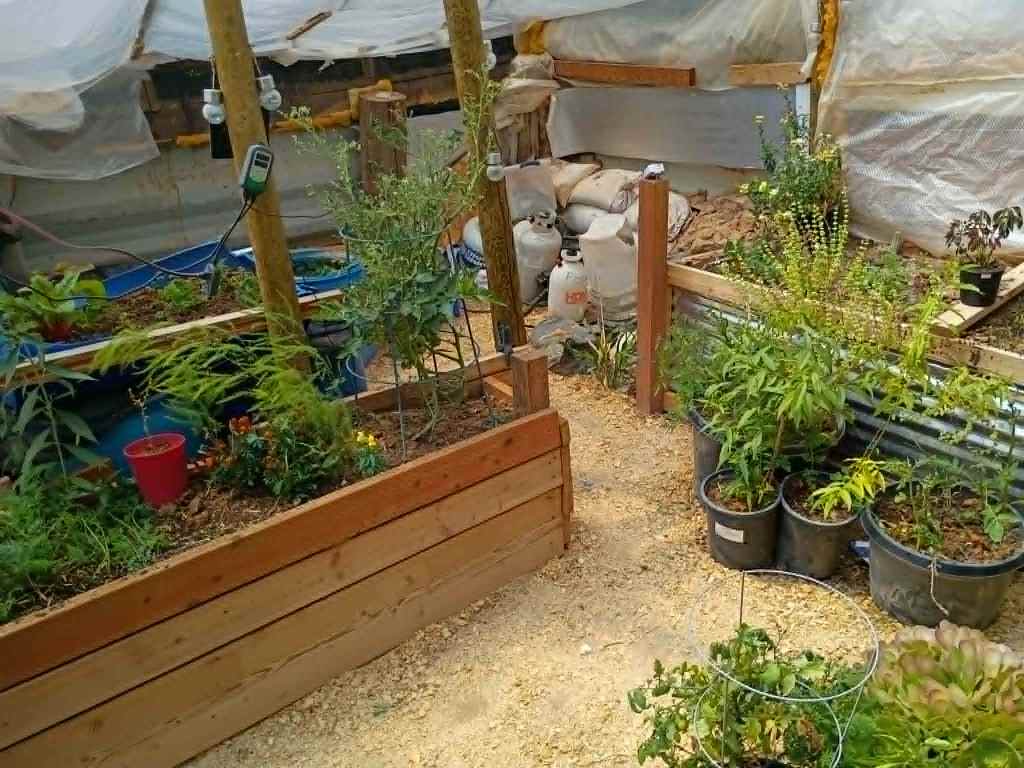
Inside, I run raised beds along the back wall and on the sides, with a center gravel/sod path and a mix of in-ground beds and container plants. That black-and-blue tub on the left side is one of my thermal mass containers — it holds water during the day and gives the heat back at night.
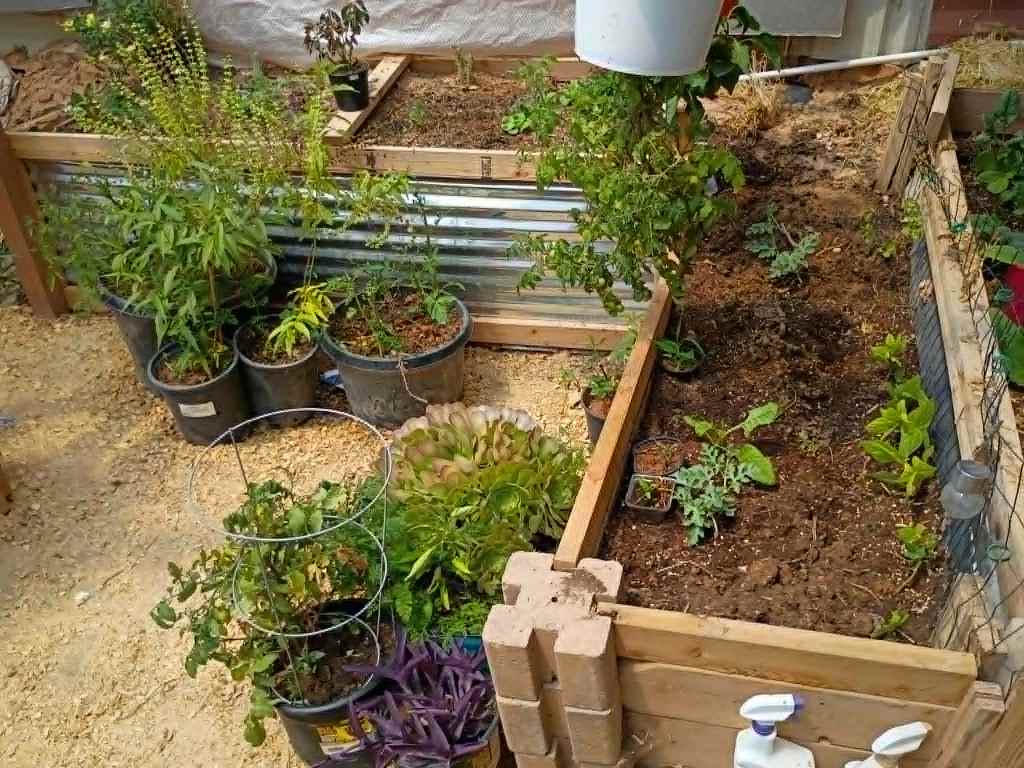
Right now I’ve got tomatoes climbing up trellises, peppers filling out the containers, a beautiful head of buttercrunch lettuce, and watermelon seedlings just getting started on the right.
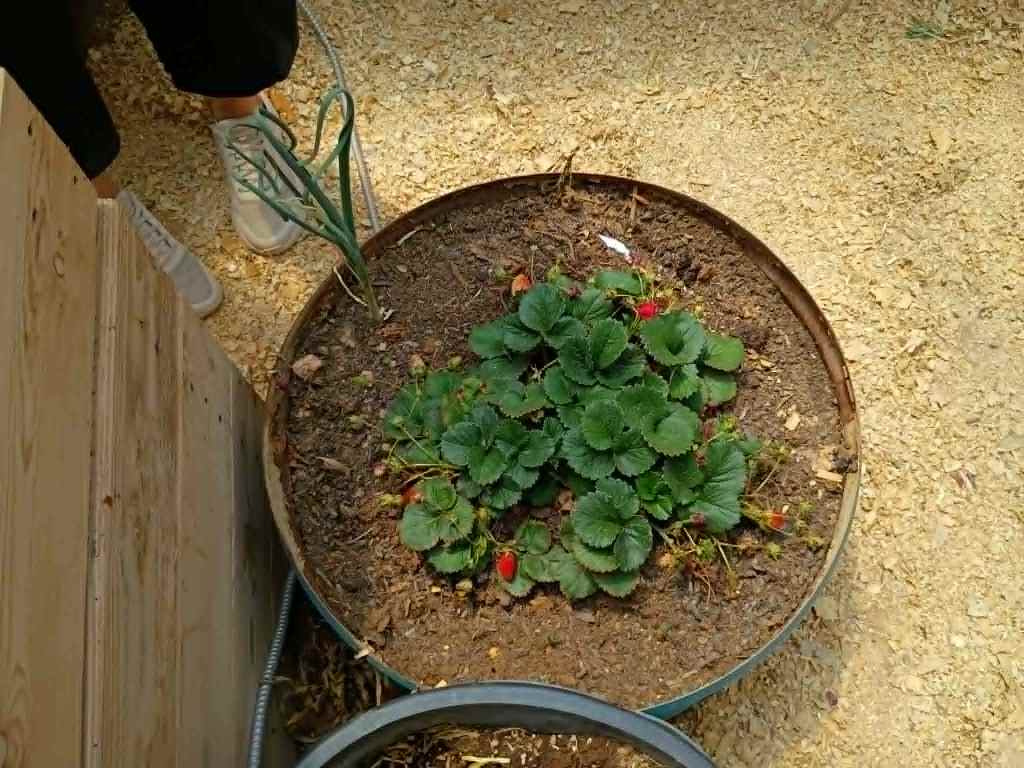
The strawberries do really well in here — I’ve got them in a barrel planter sharing space with an onion. You can see the berries already starting to form.
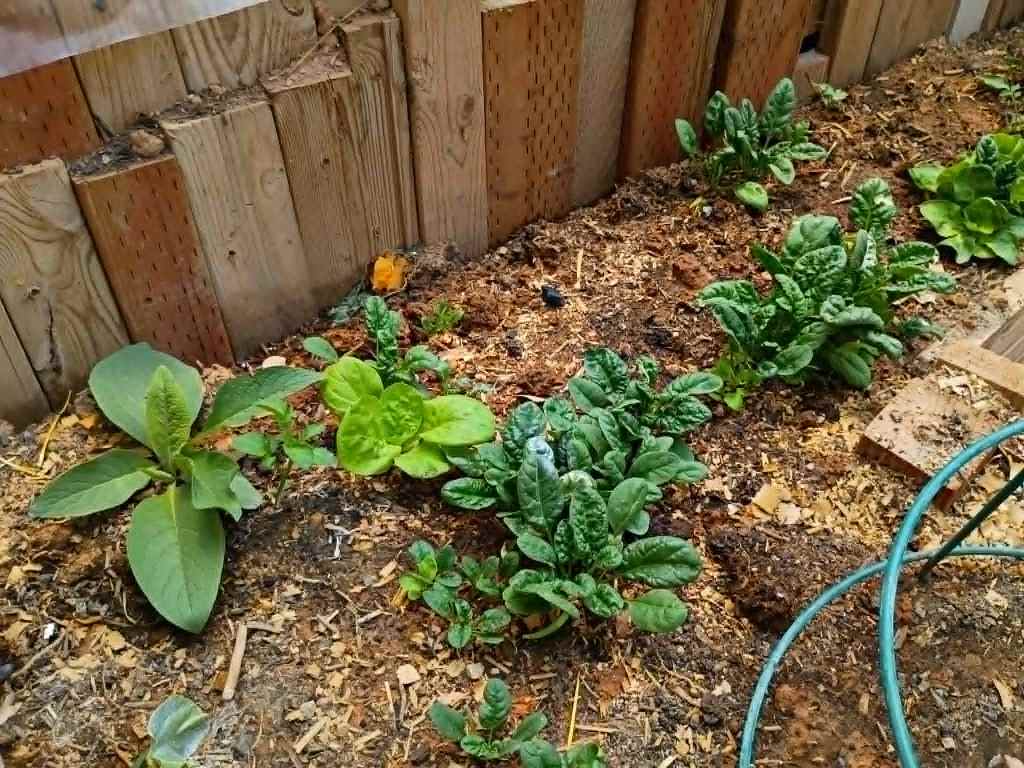
The cool-weather greens — spinach, chard, lettuce — keep producing long after they’d have bolted or frozen outside. That big broad-leafed plant on the left is comfrey, which I love having in the greenhouse. The leaves make a fantastic chop-and-drop mulch, and it pulls nutrients up from deep in the soil that the other plants benefit from.
Is it worth building one?
If you live somewhere with real winters — and Southern Utah definitely qualifies — a Walipini stretches your growing season dramatically with almost no ongoing energy cost. It’s not a quick weekend project (there’s serious digging involved), but for the right gardener it’s one of the most rewarding builds you can take on.
More importantly, once it’s in the ground, it’s there. No tearing down hoop houses every spring. No electric bills to keep things from freezing. Just a quiet little pocket of growing season, year-round.
—Pearl
Have questions about Walipinis or want to see more from inside mine? Drop a comment below — I love talking about this stuff.


Leave a comment